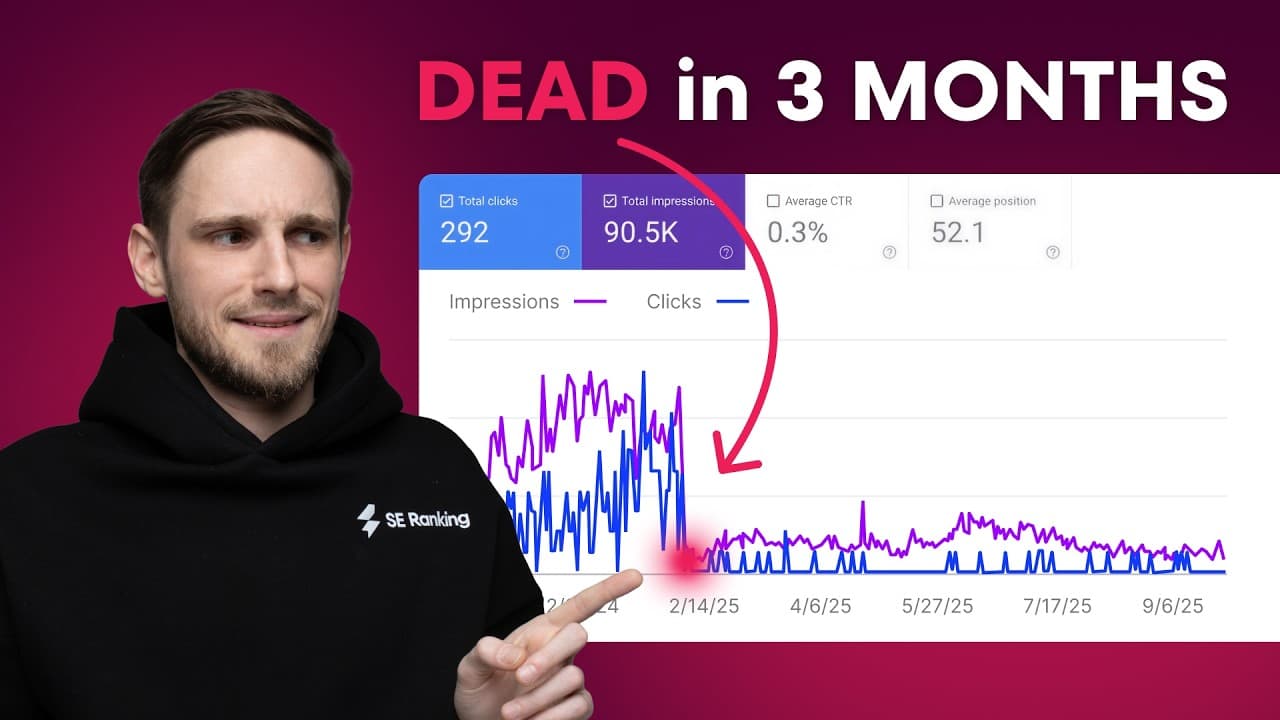
A 16-month experiment across 20 new domains and 2,000 raw AI articles produced an early indexing and traffic surge before rankings collapsed.1
AI-assisted pages on an established blog kept earning impressions, clicks and citations after people added fact-checking, expertise and editorial judgment.2
Use AI to research, outline and accelerate; do not outsource context, accountability or the reason a brand sounds distinct.3
8 episodes
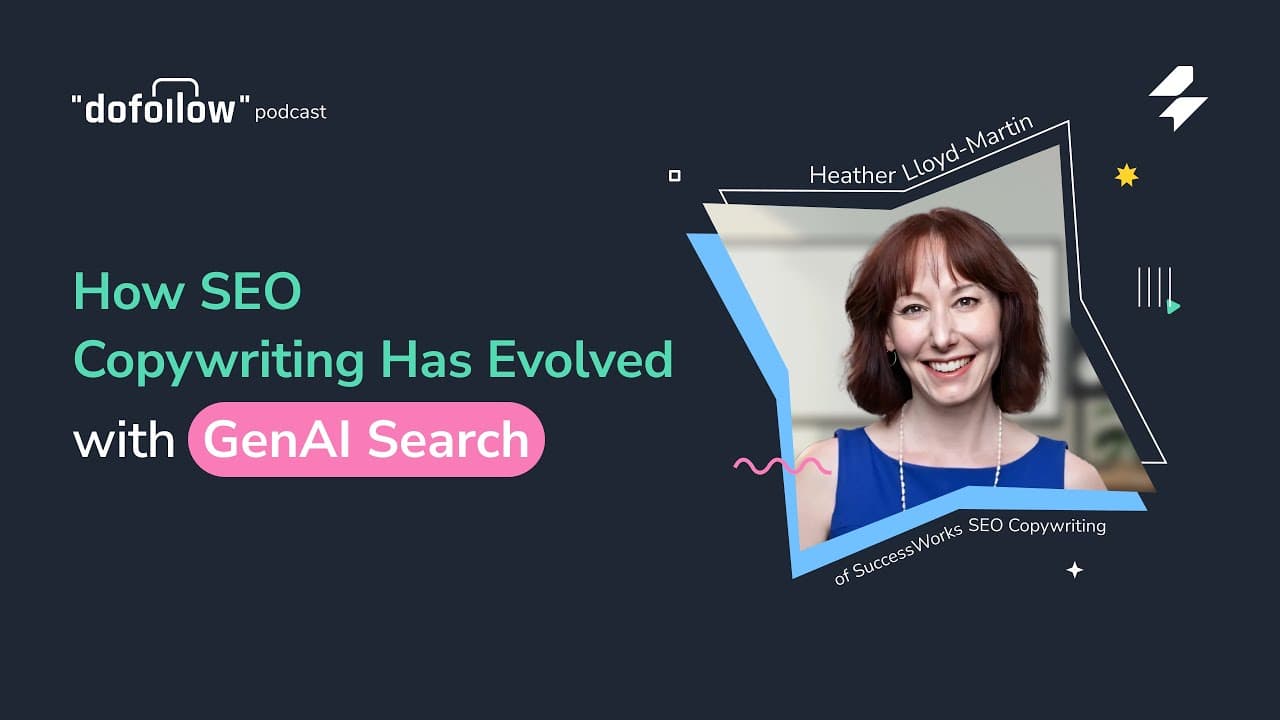
Heather Lloyd-Martin explores how GenAI tools are reshaping SEO copywriting—balancing automation with human expertise and brand authenticity.
Learn to craft ChatGPT prompts that generate SEO content with authentic E-E-A-T signals without faking expertise.
Chris Raulf reveals how to fuse AI tools with E-E-A-T principles and Micro-SEO Strategies to rank AI-assisted content higher than Google's AI Overviews.
AI-only content ranks briefly on Google but crashes; human curation and trust signals are essential for lasting rankings.
16-month experiment reveals AI content ranks initially but collapses by month 3—unless paired with human expertise and domain authority.
Five SEO myths debunked: AI Overviews didn't kill clicks, LLMs.txt doesn't work, publish less often, AI content isn't inherently bad, and SEO is very much alive.
AI amplifies weak SEO strategy—success requires human direction and strategic thinking first.
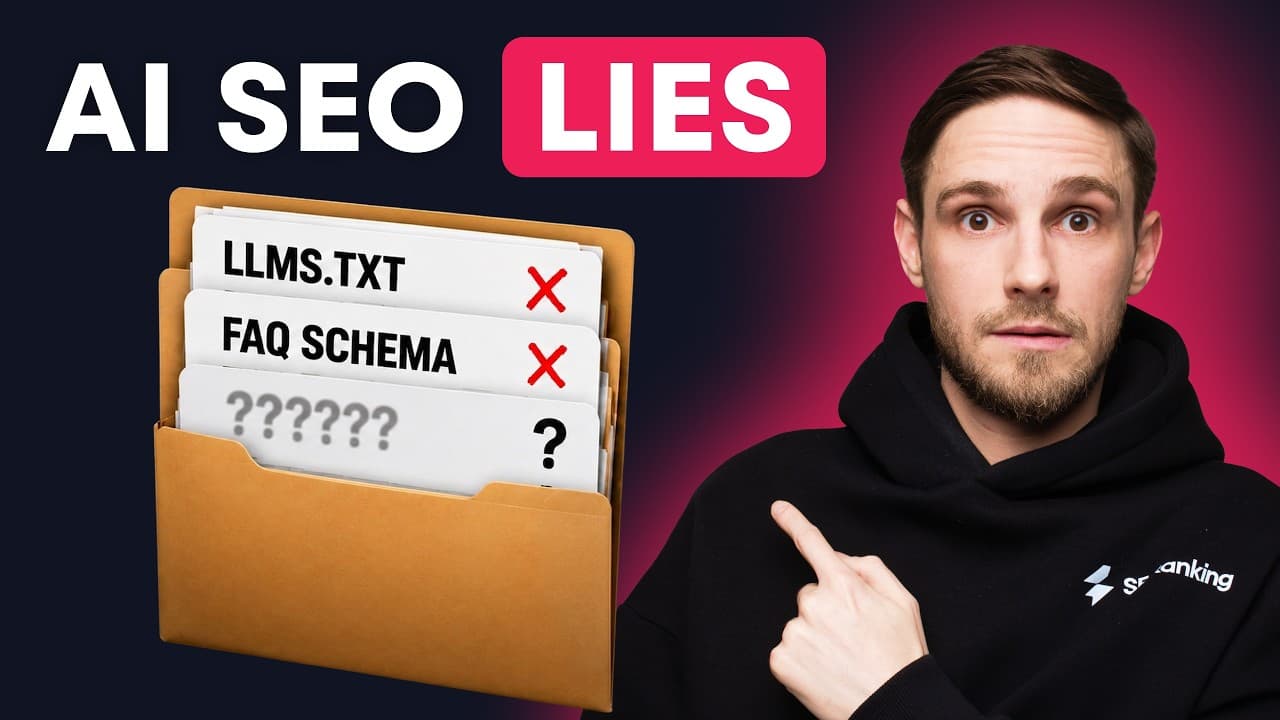
Data-backed testing of 10 AI SEO claims across 100,000 sites reveals which tactics drive citations and which waste effort.